Mastering Mosaic: Creative Techniques for Eye-Catching Tile Art Jan 03, 2026
To begin, it’s essential to understand what makes mosaic tiling so unique. Mosaic involves arranging small pieces of materials, such as ceramic, glass, or stone, into decorative patterns or images. These tiny tiles, known as tesserae, offer endless possibilities for creativity, allowing you to create intricate designs that are both beautiful and durable.
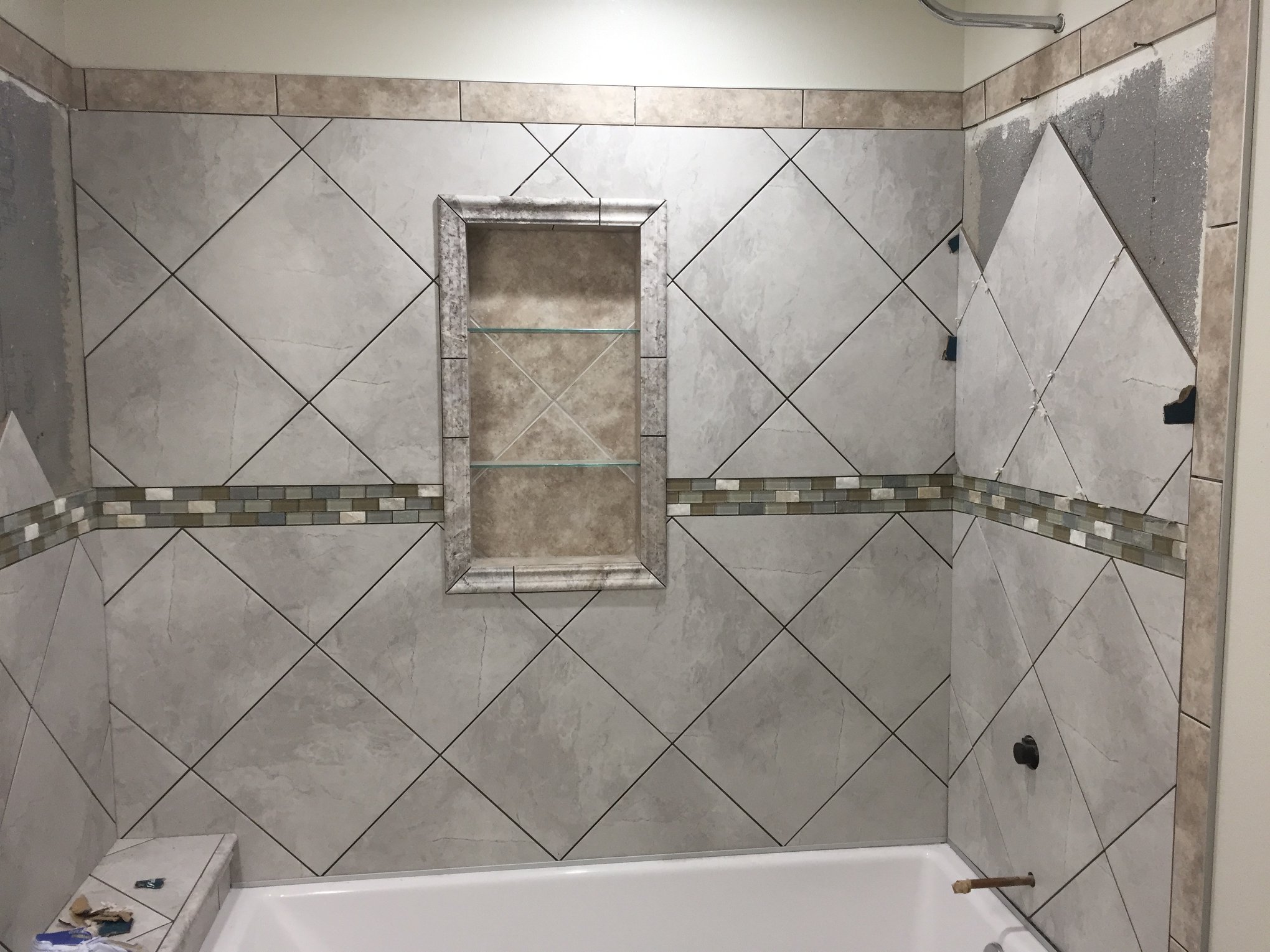
One popular technique is the direct method, where tiles are adhered to a surface, allowing for accurate placement and complex designs. This method is great for indoor projects where control over the outcome is desired. It’s perfect for kitchen backsplashes or bathroom walls where you want a distinctive focal point. The key to success with the direct method is careful planning and selecting high-quality tiles that suit the desired look.
Alternatively, the indirect method involves arranging tiles face-down onto a temporary surface and then affixing them to their final location. This technique is especially useful when creating mosaic patterns on larger scales, such as on a floor or outdoor pathway. By allowing you to see the design in its entirety before permanent installation, any adjustments in color or texture can be made in advance, ensuring a flawless outcome.
A crucial aspect to consider in mosaic tiling is the choice of materials. Glass tiles are favored for their dazzling reflective qualities, making them ideal for adding vibrancy to any room. Ceramic tiles offer a more traditional look with a wide variety of colors and finishes, from high gloss to rustic matte. Natural stone tiles, including marble and travertine, bring an earthy, sophisticated feel to your creations. Each material has its own unique properties, so think about what aligns best with your vision and the practical requirements of the space.
Color selection plays a pivotal role in mosaic art. Warm colors can create a cozy, inviting atmosphere, while cool tones might evoke a sense of calm and tranquility. Designing with complementary colors can make patterns pop, while monochrome mosaics often provide an understated elegance. Experiment with different shades and transitions, and consider how the grout color will affect the overall look.
When planning your mosaic project, consider the size of the tiles and the scale of your design. Smaller tiles allow for more detailed and intricate designs, while larger tiles can cover more area quickly and are ideal for simple, bold patterns. Pay attention to the intricacy of the design in relation to the size of the space; a smaller area may become overwhelmed by a complex pattern.
Finally, the key to long-lasting tile art is proper installation and maintenance. Ensure that you use the correct adhesive for the chosen tile material and that all tiles are securely fitted. Seal your mosaic to protect it from moisture and stain damage, especially in high-traffic or wet areas like bathrooms and kitchens.
Incorporating mosaic tile art into your home or business can create a distinctive, personalized environment that reflects your style and creativity. With these techniques and tips from Unique Tile and Renovations, you're well on your way to mastering mosaic and bringing your vision to life. Whether you're aiming for a subtle accent or a bold statement piece, mosaic tiling opens up a world of design possibilities. Let your imagination run wild and transform your space with beautiful, custom tiles.
/filters:no_upscale()/filters:format(webp)/media/49279446-70f8-46bb-b8e0-c7ca6c0df2a9.jpeg)